
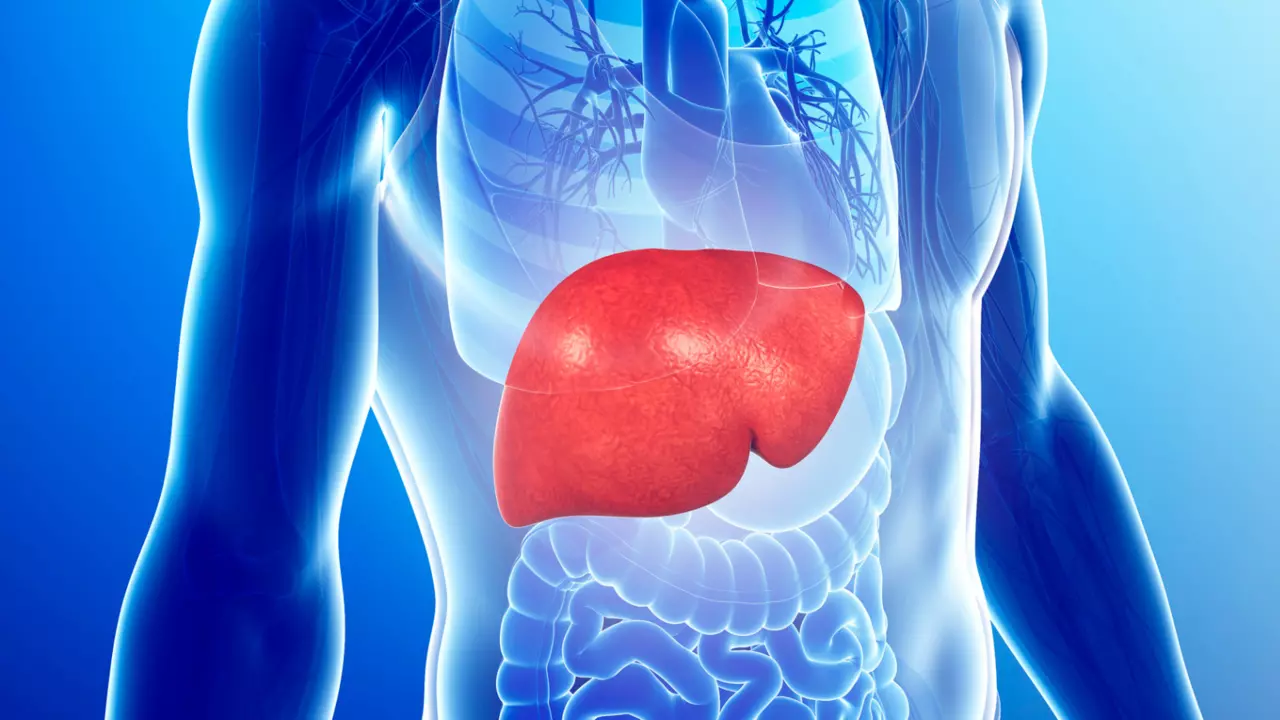
Liver cirrhosis is a chronic disease in which healthy liver tissue is gradually replaced by fibrous tissue, causing the organ to lose its ability to perform its functions. According to the World Health Organization, complications of cirrhosis cause more than one million deaths worldwide each year. In advanced stages, patients experience ascites, bleeding, severe weakness, and metabolic disturbances. When standard therapy no longer provides the expected results, many people begin to look for modern methods of liver tissue restoration, and detailed information about the possibilities of cell therapy is available at https://stemplus.clinic/disease-treatment/cirrhosis/, where the stages of diagnosis and treatment are described. It is important to understand that this is not a miracle method, but a medical procedure performed under strict supervision of specialists.
What Is Stem Cell Treatment for Cirrhosis
This method is based on the use of autologous or donor-derived mesenchymal stem cells, which have the ability to reduce inflammation and stimulate tissue regeneration. The main goal is to slow down the progression of fibrosis and improve liver function.
Stem cells do not “grow a new liver” in a short period of time. Their action is associated with:
- reducing the activity of the inflammatory process;
- decreasing the severity of fibrosis;
- improving microcirculation in the liver;
- supporting the function of hepatocytes.
According to clinical observations, some patients show improvement in ALT, AST, bilirubin, and albumin levels after a course of therapy, as well as a reduction in the severity of ascites. However, the result depends on the stage of the disease and the overall condition of the body.
Initial Diagnosis and Patient Selection
Before recommending cell therapy, doctors conduct a comprehensive examination. This is an important stage, as this method is not suitable for every patient.
The evaluation usually includes:
- Biochemical blood tests (liver enzymes, coagulation profile, protein levels).
- Ultrasound or MRI of the liver to assess tissue structure.
- Determination of the cirrhosis stage using the Child-Pugh scale.
- Exclusion of active infection or oncological processes.
- Consultation with a hepatologist and related specialists.
In practice, many patients come with expectations of rapid improvement but face the need to stabilize their condition first: adjusting their diet, stopping alcohol consumption, and controlling viral load in cases of hepatitis. Without this, treatment effectiveness decreases.
After completing all examinations, the physician decides whether the procedure is appropriate and discusses expected outcomes and possible risks with the patient.
How the Procedure Is Performed
Treatment is carried out in a specialized medical center. Depending on the protocol, either the patient’s own cells or pre-prepared cellular material is used.
The procedure usually includes several stages:
- collection of biomaterial (if autologous cells are used);
- laboratory preparation and cultivation of cells;
- intravenous or intrahepatic administration of the cells;
- monitoring for several hours or days.
In most cases, the administration is intravenous, which makes the procedure less invasive. Hospitalization may last from one to several days. Patients often worry about pain or complications, but the procedure is generally well tolerated.
After cell administration, a follow-up period begins. Over the following weeks and months, blood tests and imaging studies are performed. Improvement does not occur instantly — it is a gradual process.
Rehabilitation and Follow-Up After Therapy
After completing the treatment course, it is important to follow the doctor’s recommendations. Stem cells are part of комплексной терапии and do not replace standard treatment.
Patients are usually advised to:
- follow a diet with restricted salt and fat intake;
- monitor protein levels in their diet;
- undergo regular blood testing;
- avoid toxic нагрузок on the liver;
- attend scheduled consultations with a hepatologist.
Even with positive dynamics, it is important to understand that cirrhosis is a chronic disease. The goal of therapy is to stabilize the condition and improve quality of life. Clinical studies note that patients with compensated cirrhosis tend to have a better prognosis after cell therapy compared to those with decompensated disease.
Stem cell treatment for liver cirrhosis is a modern направление of regenerative medicine that can become part of комплексной терапии. It does not eliminate the need for disease control, but with the right approach, it may help improve liver function and quality of life. The decision to undergo the procedure should be made together with an experienced physician after a full examination and careful evaluation of all risks.